Lebanese cuisine is a sun-kissed symphony of flavors where ancient traditions dance with vibrant freshness. Born in the Mediterranean cradle, our food weaves together aromatic herbs, succulent grilled meats, earthy pulses, and citrus-kissed freshness.
Lebanese cuisine comprises the culinary traditions and practices originating from Lebanon. It is more than sustenance—it's a ritual of connection where mezze platters invite conversation, fragrant spices tell stories of Phoenician traders, and desserts bloom with rosewater and hospitality.
The cuisine features an abundance of whole grains, fresh fruits, vegetables, fresh fish and seafood. Poultry is eaten more often than red meat, and when red meat is eaten, it is usually lamb and goat meat. Dishes include copious amounts of garlic and olive oil, seasoned with salt and lemon juice. Chickpeas and parsley are also staples of the Lebanese diet, defining the character of nearly every traditional meal.
Rooted in the principles of Al-Atayeb (the delicious and virtuous), each dish balances indulgence with nourishment, celebrating fresh produce, heart-healthy olive oil, and generations of culinary wisdom passed down through families.
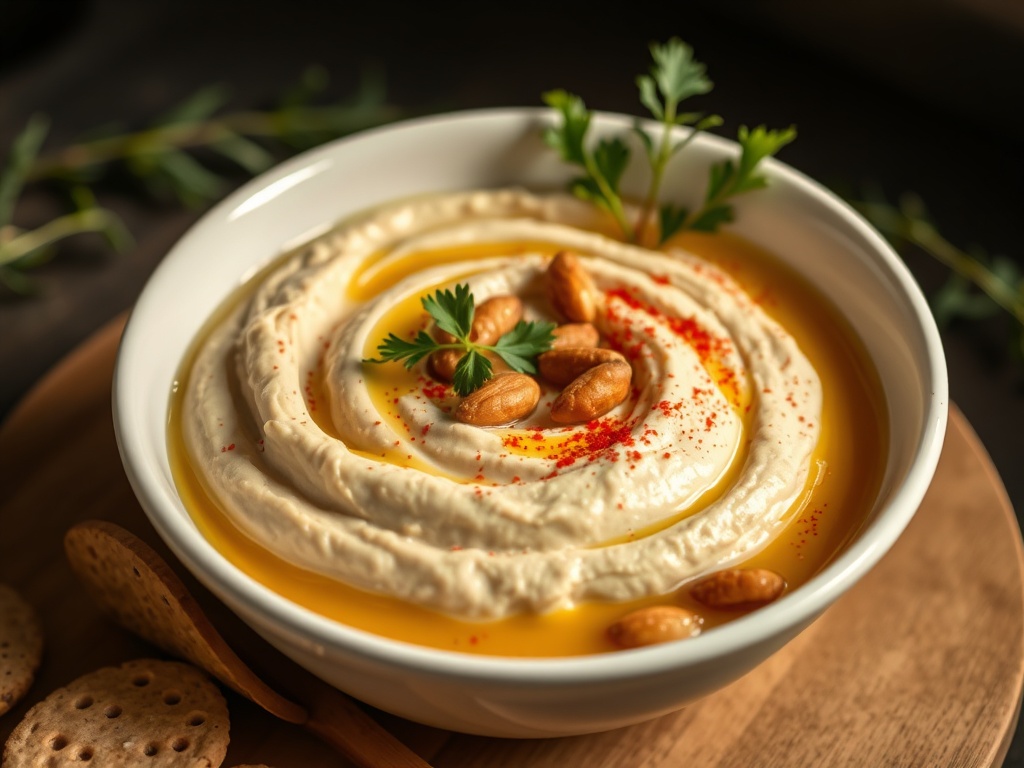
Creamy Lebanese hummus made with chickpeas, tahini, lemon juice, and roasted garlic. Topped with golden olive oil and roasted pine nuts, it's an essential mezze staple served with warm pita bread.
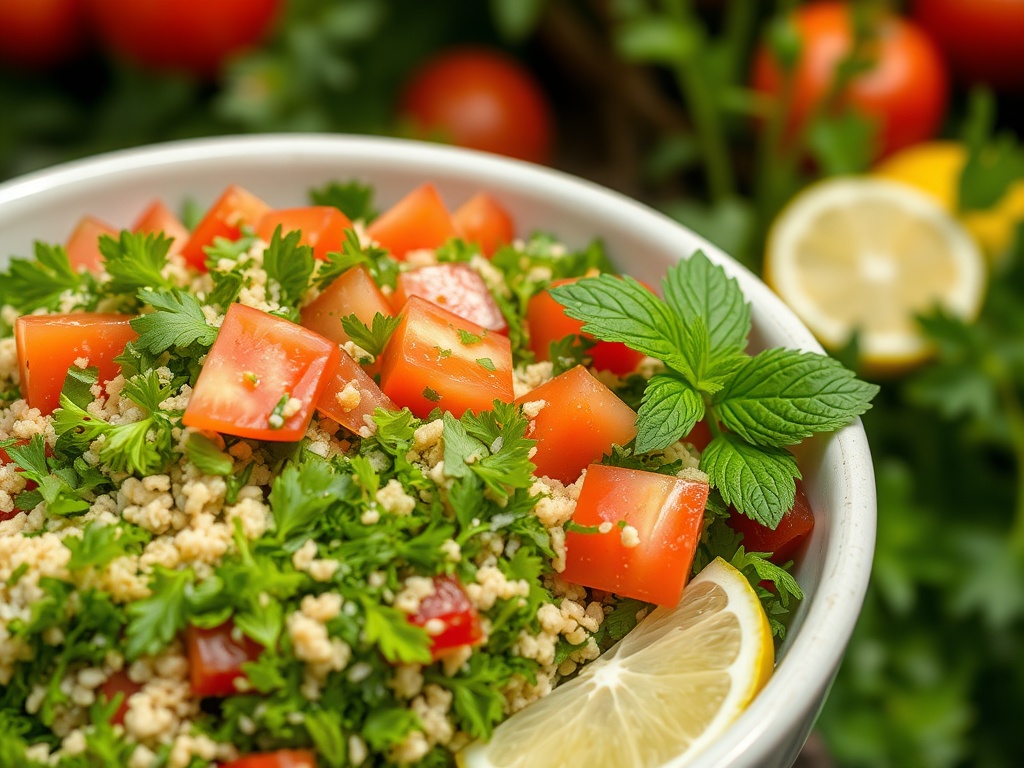
A vibrant parsley-based salad with bulgur wheat, fresh tomatoes, mint, lemon juice, and olive oil. This refreshing salad represents the essence of Lebanese freshness and is perfect as a mezze.
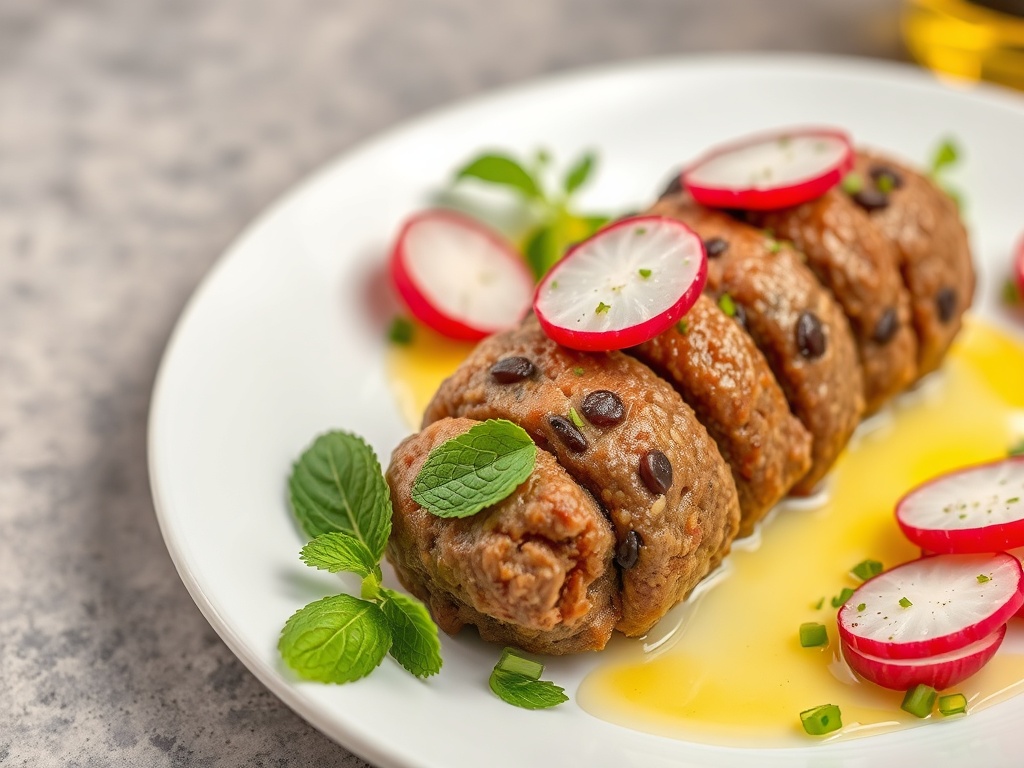
Lebanon's most prized delicacy—finely pounded raw lamb with bulgur and spices, served with fresh mint, radishes, spring onions, and olive oil. A testament to Lebanon's reverence for finest ingredients.
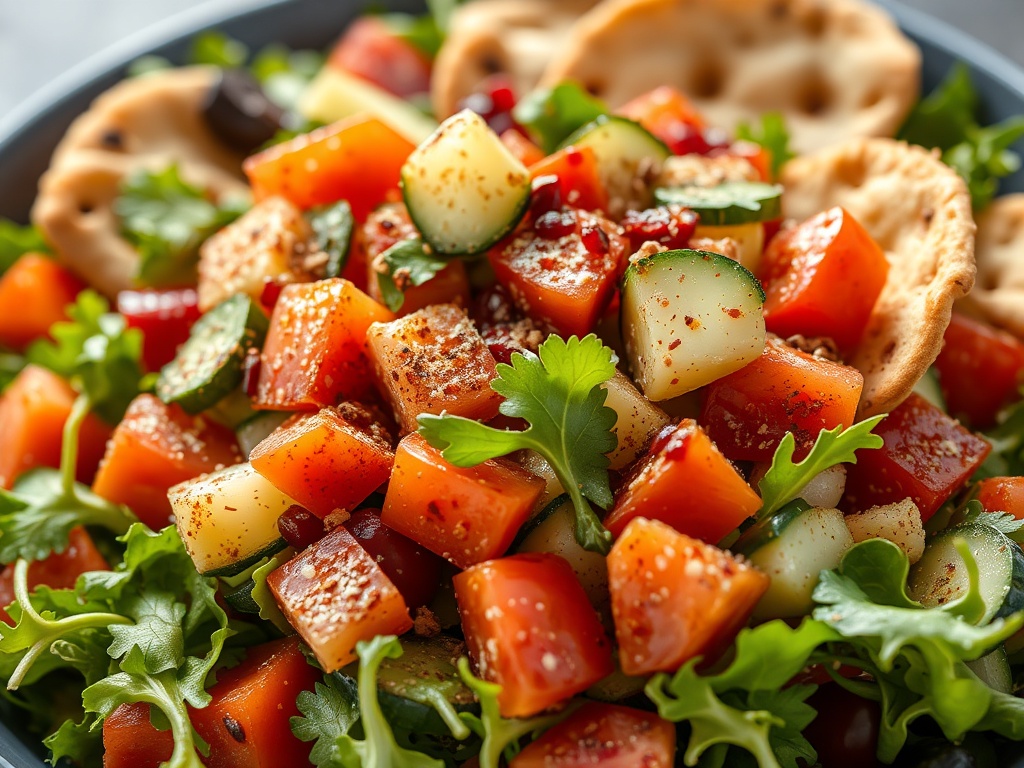
A resourceful salad featuring crispy fried pita bread, fresh greens, tomatoes, cucumber, and a generous dusting of tangy sumac. Dressed with pomegranate molasses and olive oil for perfect balance.
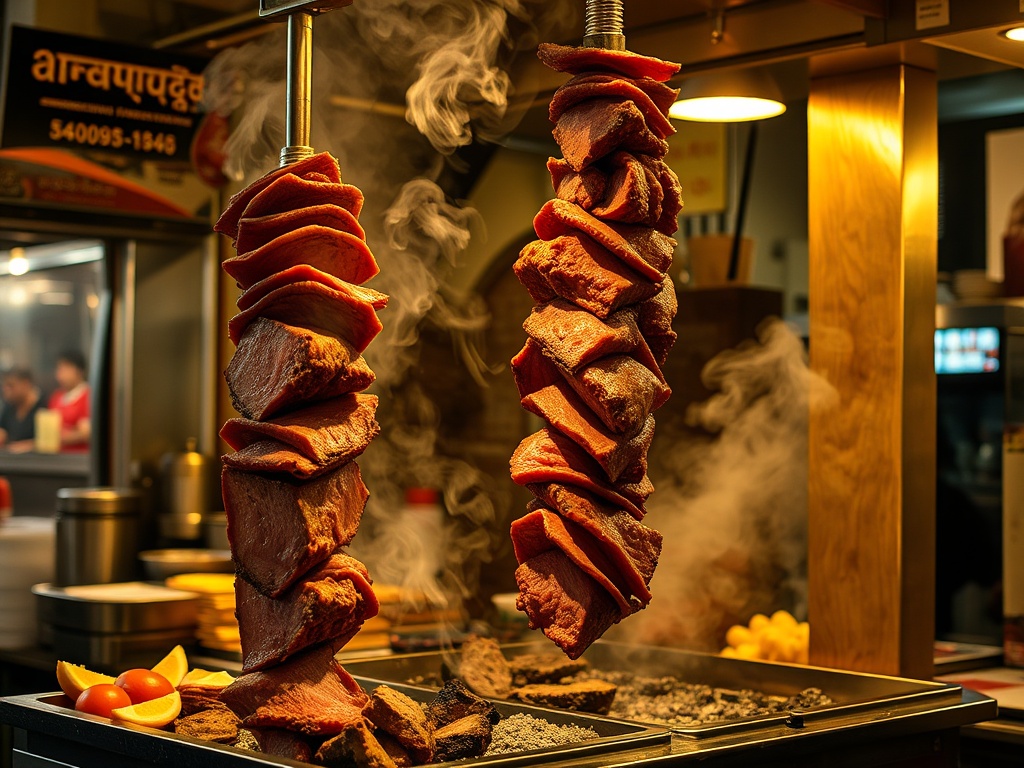
Aromatic meat carved from vertical rotisserie, marinated in warm spices like cinnamon and cardamom. Served in soft markouk bread with pickles, fresh vegetables, and rich garlic sauce (toum).
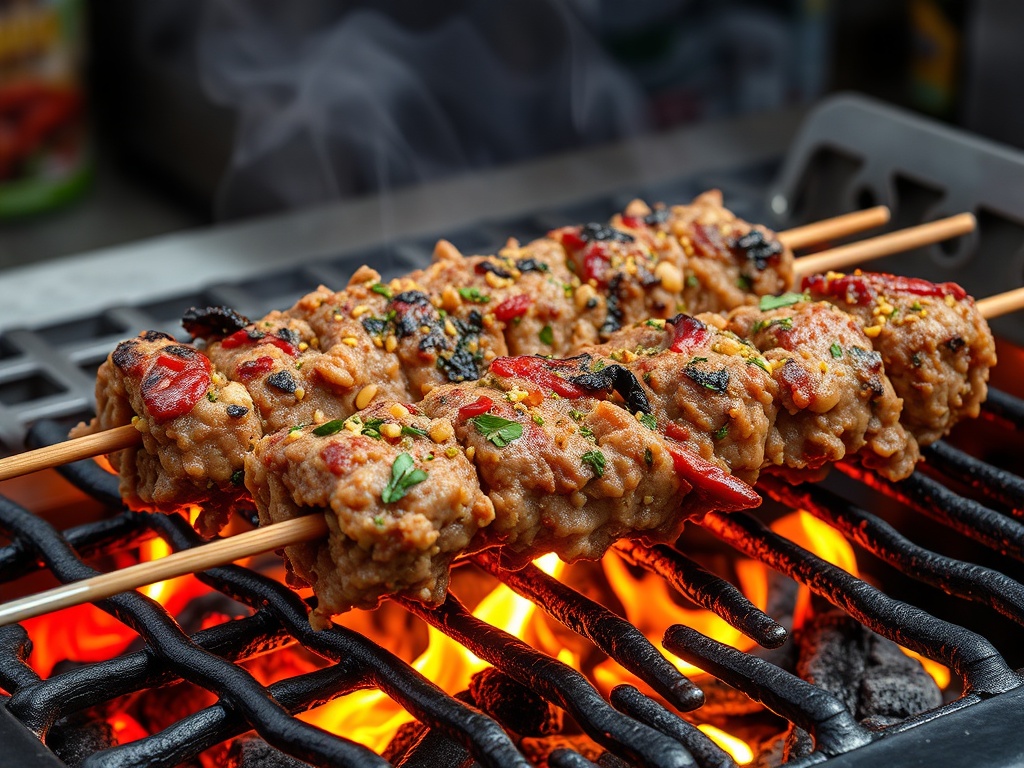
Sizzling minced lamb mixed with herbs, spices, and onions, shaped into patties and charcoal-grilled to perfection. Served with fresh mint, radishes, and cooling labneh sauce on the side.
Lebanese cuisine has ancient roots and is part of the culinary tradition of the Eastern Mediterranean. Many dishes can be traced back thousands of years to eras of Phoenician, Persian, Egyptian, Roman, Greek, Byzantine, Arab, and Ottoman rule. In the last 500 years, Lebanese cuisine has been influenced by different foreign civilizations that held power.
From 1516 to 1918, the Ottoman Turks controlled Lebanon and introduced a variety of foods that have become staples in the Lebanese diet, such as cooking with lamb. After World War I, France took control of Lebanon until 1943, introducing foods such as flan, caramel custard, eclairs, and croissants. The Lebanese diaspora worldwide continues to introduce new ingredients and practices, keeping the cuisine innovative and renowned.
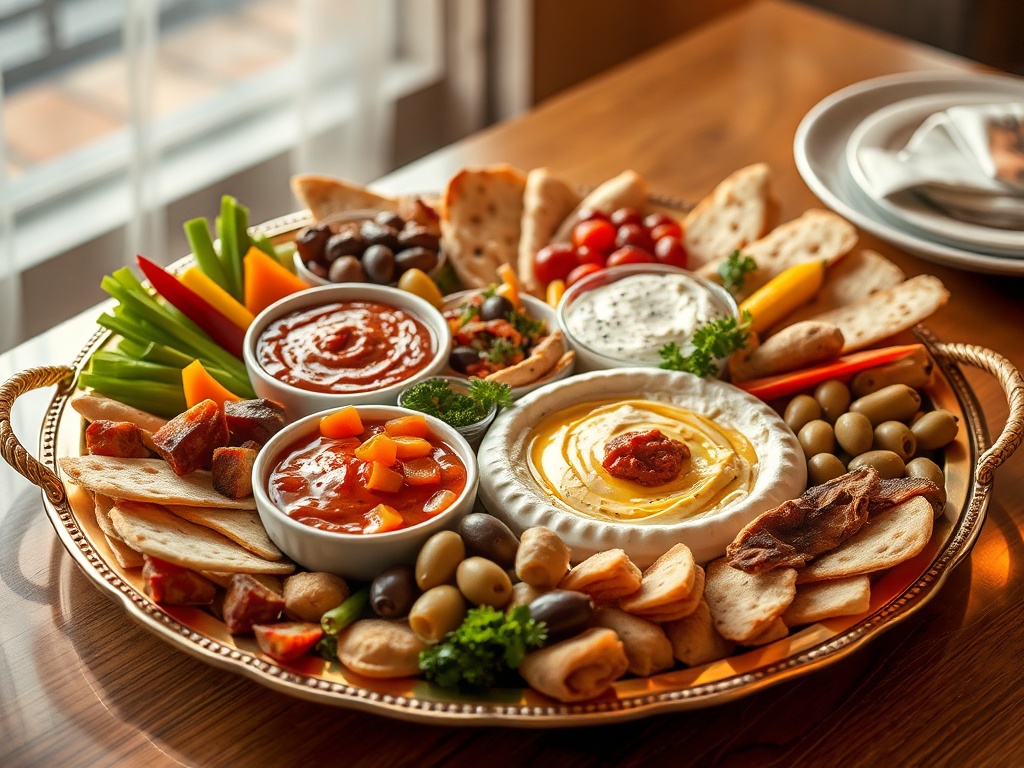
Similar to the tapas of Spain, mezze is an array of small dishes placed before guests, creating an array of colors, flavors, textures, and aromas. In Lebanon, drinks are rarely served without food accompanying them.
A typical mezze may consist of an elaborate variety of 20-60 dishes when served in restaurants, including salads such as tabbouleh and fattoush, dips like hummus and baba ghanoush, kebbeh and kafta, patties and stuffed grape leaves, roasted nuts and olives, and fresh vegetables. When dining as a family, the mezze typically consists of three or four dishes—a more intimate gathering around shared plates.
Essential Mezze Components: A plate of fresh vegetables including tomatoes, cucumber, mint, olives, and pickles is always served on the table. At the end of the meal, a plate of fresh fruits is presented with Lebanese coffee—a ritual that honors both nourishment and connection.
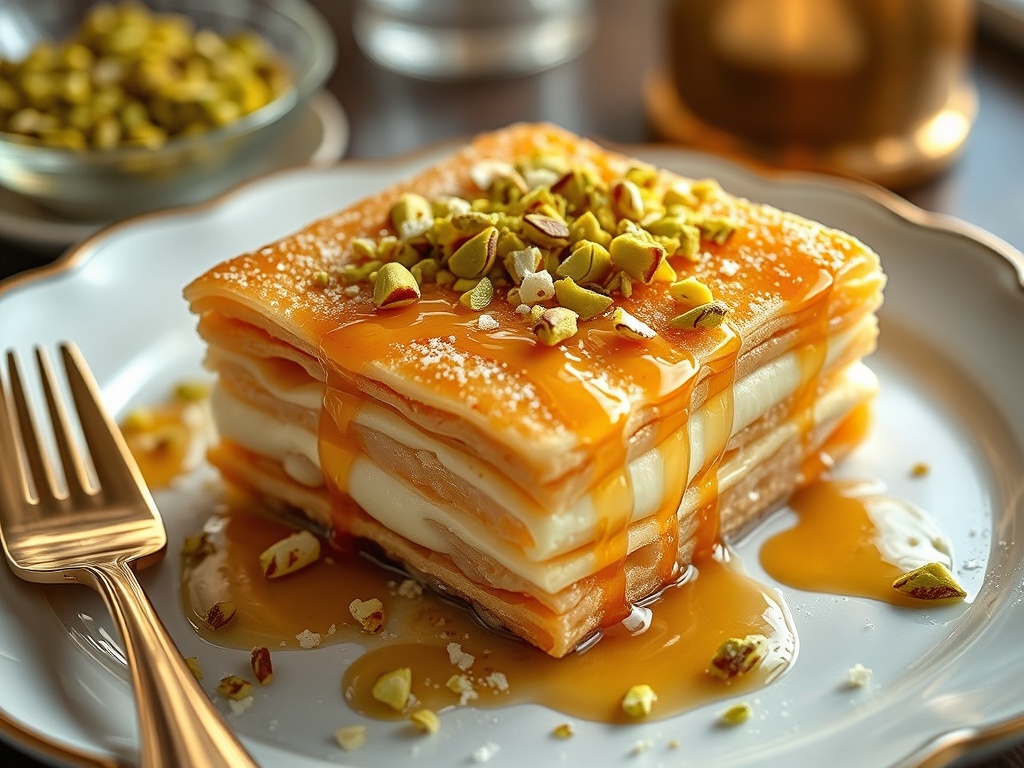
Although baklava is the most internationally known Lebanese dessert, there is a great variety of Lebanese sweets. Well-known desserts include baklawa, sfouf, and ka'ak. Some desserts are specifically prepared on special occasions—for example, meghli (rice pudding dessert, spiced with anise, caraway, and cinnamon) is served to celebrate a newborn baby in the family.
Lebanese desserts have been influenced by Ottoman cuisine and share similarities with other neighboring countries. Semolina is used in the preparation of several prominent Lebanese desserts, creating that perfect texture of crumbly, melt-in-your-mouth sweetness. Traditional sweets like knafeh (stuffed with white cheese and topped with syrup and pistachios), ma'amoul (filled with pistachios, walnuts, or dates), and Znoud al-sit (rolled pastry filled with clotted cream) showcase the artistry of Lebanese pastry making.
Simple fresh fruits are often served at the end of Lebanese meals—figs, oranges and citrus fruits, apples, grapes, cherries, and green plums (janarek)—accompanied by aromatic Lebanese coffee, completing the dining ritual with elegance and simplicity.
Discover authentic Lebanese recipes, catering services for your events, and bring the warmth of Mediterranean hospitality to your kitchen and celebrations. Each dish tells a story of ancient traditions and contemporary elegance.